
BUNION TREATMENT
EXPERT NYC BUNION DOCTOR & MINIMALLY INVASIVE BUNION SURGEON
Bunion Pain Relief with Precision Care
Non-Surgical Treatment Options
In many cases, bunion symptoms can be managed without surgery, especially in the early stages. Conservative treatments aim to reduce pressure on the joint and improve foot mechanics.
Non-surgical treatment options may include:
Wearing wider, supportive footwear
Custom orthotics to improve foot alignment
Padding or protective bunion cushions
Anti-inflammatory medications when appropriate
Activity modifications to reduce joint stress
While these treatments may relieve symptoms, they do not permanently correct the structural deformity.
Bunion Surgery
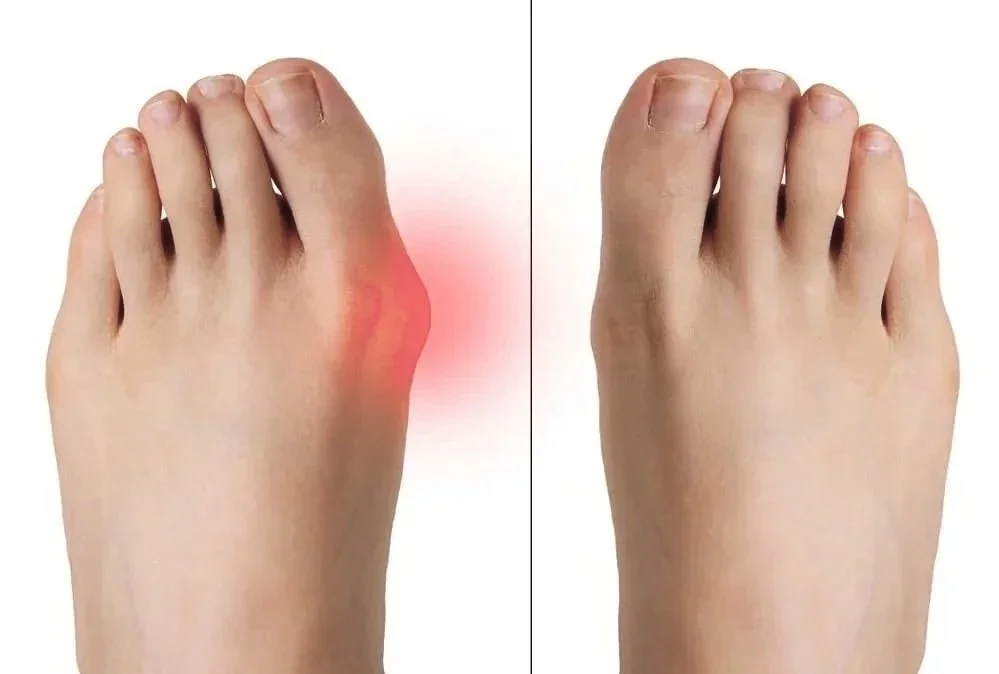
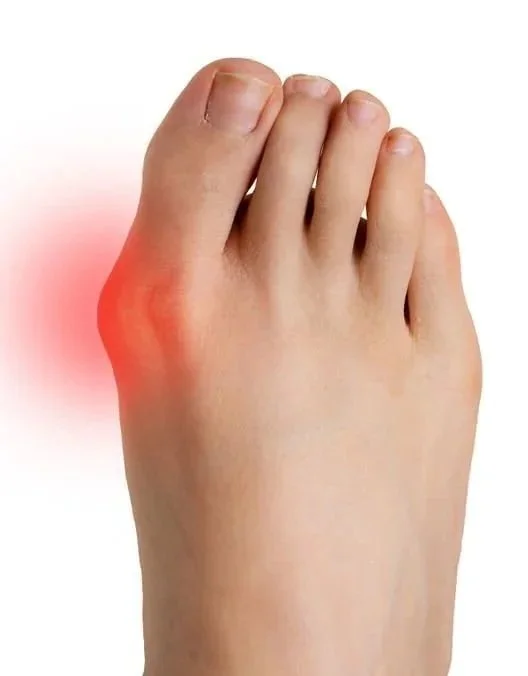
Bunion surgery is performed to correct the misalignment of the big toe joint and relieve pain caused by a bunion. When a bunion develops, the big toe gradually shifts toward the second toe while the joint at the base of the toe moves outward, creating a visible bump on the side of the foot.
Over time, bunions can cause discomfort, swelling, difficulty wearing shoes, and changes in walking. Surgical correction restores alignment of the joint and improves overall foot function.
Schedule a Consultation
If bunion pain is affecting your comfort or mobility, a podiatry evaluation can help determine the best treatment options. Our team provides personalized care and advanced techniques to help relieve pain and restore healthy foot function.
Contact Empire Podiatry today to schedule a consultation.
Bunion Surgery
Your Questions, Answered
-
A bunion is a structural deformity of the big toe joint, also known as hallux valgus. It develops when the bones and soft tissues of the forefoot move out of alignment.
Common factors that contribute to bunions include:
Inherited foot structure
Flat feet or abnormal foot mechanics
Tight or narrow footwear
Arthritis affecting the big toe joint
As the condition progresses, the joint may become painful, swollen, and increasingly difficult to accommodate in regular footwear.
-
Surgery may be considered when conservative treatments no longer provide relief and symptoms begin to interfere with daily activities.
You may be a candidate for bunion surgery if you experience:
Persistent pain when walking or standing
Difficulty wearing shoes comfortably
Progressive misalignment of the big toe
Swelling or stiffness in the joint
A podiatric evaluation, including a physical exam and imaging when needed, helps determine the most appropriate treatment.Item description
-
Bunion correction is customized for each patient based on the severity of the deformity and the structure of the foot. Surgical treatment may involve:
Realigning the bones of the big toe joint
Correcting surrounding soft tissues
Stabilizing the bone with surgical fixation
Minimally invasive techniques when appropriate
Most bunion procedures are performed on an outpatient basis, allowing patients to return home the same day.
-
Recovery varies depending on the procedure performed, but most patients can expect:
A protective surgical shoe or walking boot during early healing
Gradual return to weight-bearing activity as directed
Follow-up visits to monitor healing and alignment
Many patients resume daily activities within several weeks, although swelling may continue to improve for several months
A New Way to Treat Bunions
Unique Benefits of Lapifuse® Bunion Surgery
At Empire Podiatry, Lapifuse® procedures are performed with long-term outcomes in mind. Lapifuse® is more than a bunion correction, it’s a precision foot realignment procedure that treats the problem at its source.
LapiFuse bunion surgery is a modern, advanced solution for patients suffering from bunions (Hallux Valgus). Unlike traditional bunion procedures that simply remove the bump, LapiFuse addresses the underlying joint instability that causes the deformity, providing a long-term correction.
This procedure realigns the first metatarsal in three dimensions, restoring proper foot mechanics and reducing pressure on the big toe. Specialized implants hold the bones securely while they fuse, promoting stable healing and minimizing recurrence. Patients often experience significant pain relief, improved balance, and the ability to return to daily activities more comfortably.
By correcting the bunion at its source, Lapifuse® offers a durable, reliable, and function-focused solution, helping patients enjoy better foot health and long-lasting comfort.
Reasons to Believe in Lapifuse®
-
Use the discussion guide below when speaking with our Podiatrist to determine if surgery is the right next step.
How long have you had bunions?
What non-surgical or at-home treatments have yu/do you use for temporary relief?
Does your bunion pain ever make it difficult to walkor stand for long periods of time?
Does your bunion pain ever prevent you from daily activities or exercise?
-
Some bunion procedures can shorten and alter the look of your toe, that may cause pain and other foot-related issues down the road. LapiFuse is different. Traditional fusion surgeries simply correct bunion deformities at only the big toe joint. By using what is known as “Triplanar Correction,” LapiFuse can correct foot deformities caused by bunions at the source of the problem leading to holistic treatment that can reduce pain, all while preserving the natural look of the foot.
-
The Lapifuse® procedure is designed to reduce pain and the likelihood of future procedures1,2 by eliminating the bunion and maintaining the alignment achieved during the procedure.
-
Bunion correction treatment that removes the bunion and preserves the length of the toe to protect the natural appearance of the foot.
-
Specifically designed to improve mobility by addressing the issue in the midfoot, which preserves the joint movement of the big toe, allowing you to get back to your active lifestyle.
-
The time required for the Lapifuse® procedure is unique to each patient and surgeon. Generally, the Lapifuse® procedure will take 45-60 minutes. During the procedure, your surgeon will make a few small incisions to expose the affected joint. After preparing the joint, they will then rotate the joint to return it to its proper alignment, restoring the foot to its natural appearance. To secure the correction, your surgeon will apply anatomically correct titanium plates, to the joint.
Recovery instructions may vary by surgeon, and results are specific to individual patients. It is recommended that you keep your foot elevated to heal for the first week post-procedure; then after 10 days, you will be placed in a bunion dressing and short walker boot. After 6 weeks, your doctor will remove the boot and you should be able to wear normal footwear. Please consult your doctor on recovery instructions to ensure optimal healing.
Frequently Asked Questions
Lapifuse® Bunion Surgery
-
The time required for the LapiFuse procedure is unique to each patient and surgeon. Generally, the LapiFuse procedure will take 45-60 minutes.
-
Recovery instructions may vary by surgeon. Results are specific to individual patients. During the first week after your procedure, it is generally recommended that you keep your foot elevated to heal. Then, 10 days post-operation, you may be placed in a bunion dressing and short walker boot. After 6 weeks, your doctor may remove the boot and you should be able to wear normal footwear. However, please consult your doctor on recovery instructions to ensure optimal healing.
-
Because the LapiFuse procedure preserves the joint movement of the big toe, it is specially designed to improve mobility, letting you get back to your active lifestyle. Typically, patients should be able to return to regular physical activity 6-7 weeks after their procedure. However, please consult your doctor on recovery instructions to ensure optimal healing. Recovery instructions may vary by surgeon. Results are specific to individual patients.
-
Typically, at 6-7 weeks, patients are allowed full weight bearing in loose fitting close toed shoes. Your doctor will provide you with recovery instructions to ensure optimal healing.
Recovery instructions may vary by surgeon. Results are specific to individual patients.