
PLATLET RICH PLASMA THERAPY
EXPERT PODIATRIST, FOOT PAIN SPECIALIST IN MIDTOWN AND DOWNTOWN, NYC
Patelet Rich Plasma Therapy for Foot or Ankle Pain
What if you could help your body’s natural healing process to treat a foot or ankle injury?
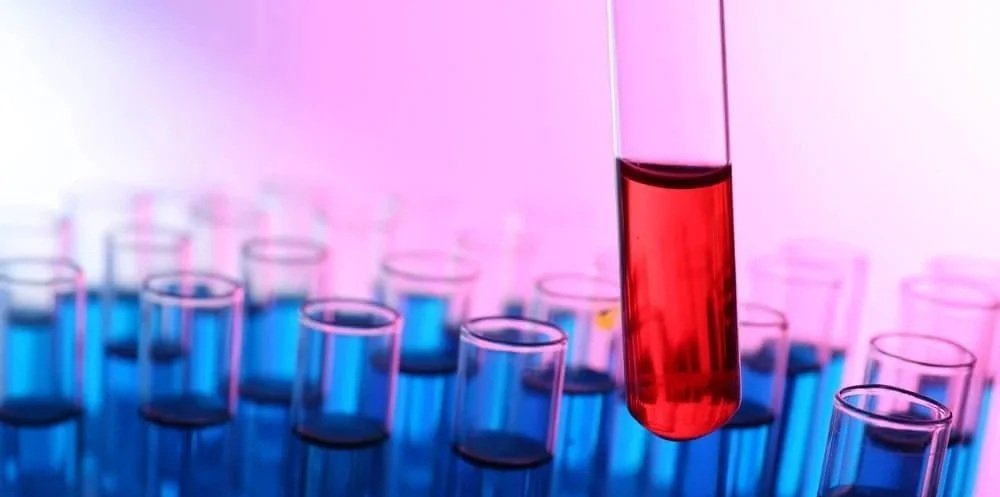
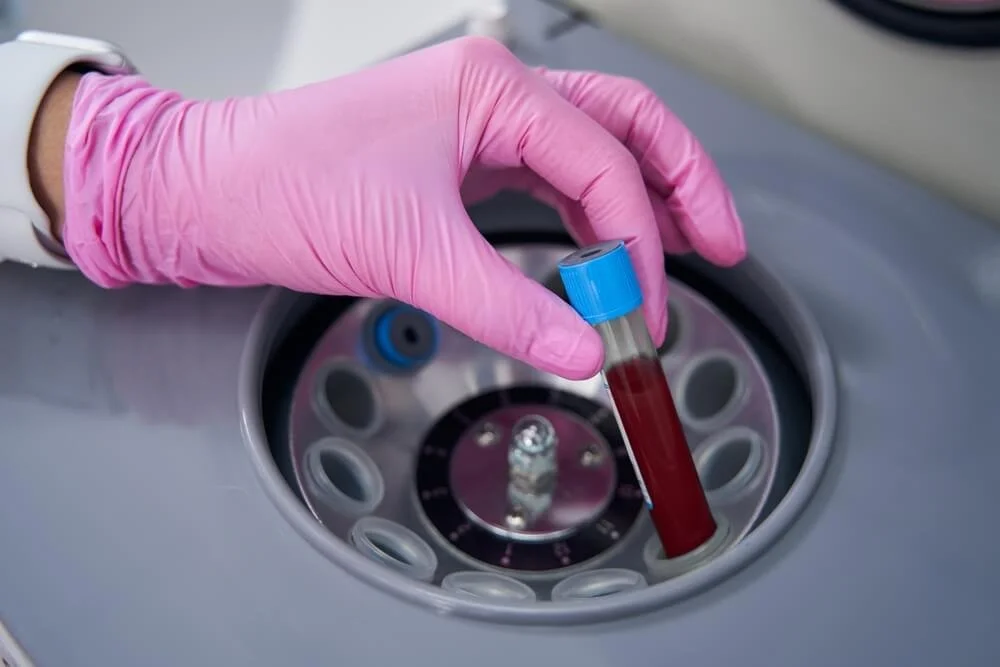
How Does PRP Work? A small amount of your blood is drawn. The sample is processed in a centrifuge to concentrate the platelets and growth factors. The PRP is then injected directly into the injured or inflamed area. These platelets stimulate cellular repair, enhance blood flow, and reduce inflammation, leading to faster and more natural healing.
Conditions Treated with PRP Therapy
PRP injections are ideal for treating soft tissue injuries and degenerative conditions, including:
Ligament sprains or tears
Mild to moderate arthritis
Heel pain and chronic inflammation
Post-surgical recovery support
Find Out More About our PRP Injection Services in NYC
Ready to explore a natural, effective option for chronic foot or ankle pain?
today to schedule your consultation and find out if PRP injections are right for you.
We specialize in regenerative treatments that prioritize healing without invasive procedures. At Empire Podiatry, we combine advanced technology with individualized care to deliver results you can feel. We’ll guide you through every step, from evaluation to recovery. So you can move forward with confidence.
Frequently Asked Questions
PRP (Patelet Rich Plasma) Therapy
-
In-Office Procedure - Completed in under an hour
Little Downtime - Most patients return to normal activity quickly
Gradual Improvement - Healing progresses over several weeks
Personalized Plan -Treatment may be combined with physical therapy or orthotics.
-
PRP injections are generally well tolerated. You may feel brief pressure or soreness at the injection site, followed by mild stiffness that typically resolves within a few days.
-
PRP works gradually by stimulating your body’s natural healing response. Many patients begin noticing improvement within a few weeks, with continued progress over several months.
-
Healing progresses over several weeks
-
Downtime is minimal. Most patients return to normal daily activities shortly after treatment, though high-impact activity may be limited temporarily.